
A New Approach for Juvenile Firesetters
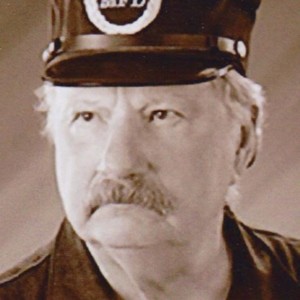
When now retired Fire Investigator Bernie Binning attended a state fire investigation conference in 1990 focused on “juvenile firesetters” he recognized a safety concern that, while not new, required greater attention: many local fires were being set by children acting out of curiosity, impulsivity, or distress, not solely by adults engaged in criminal activity.
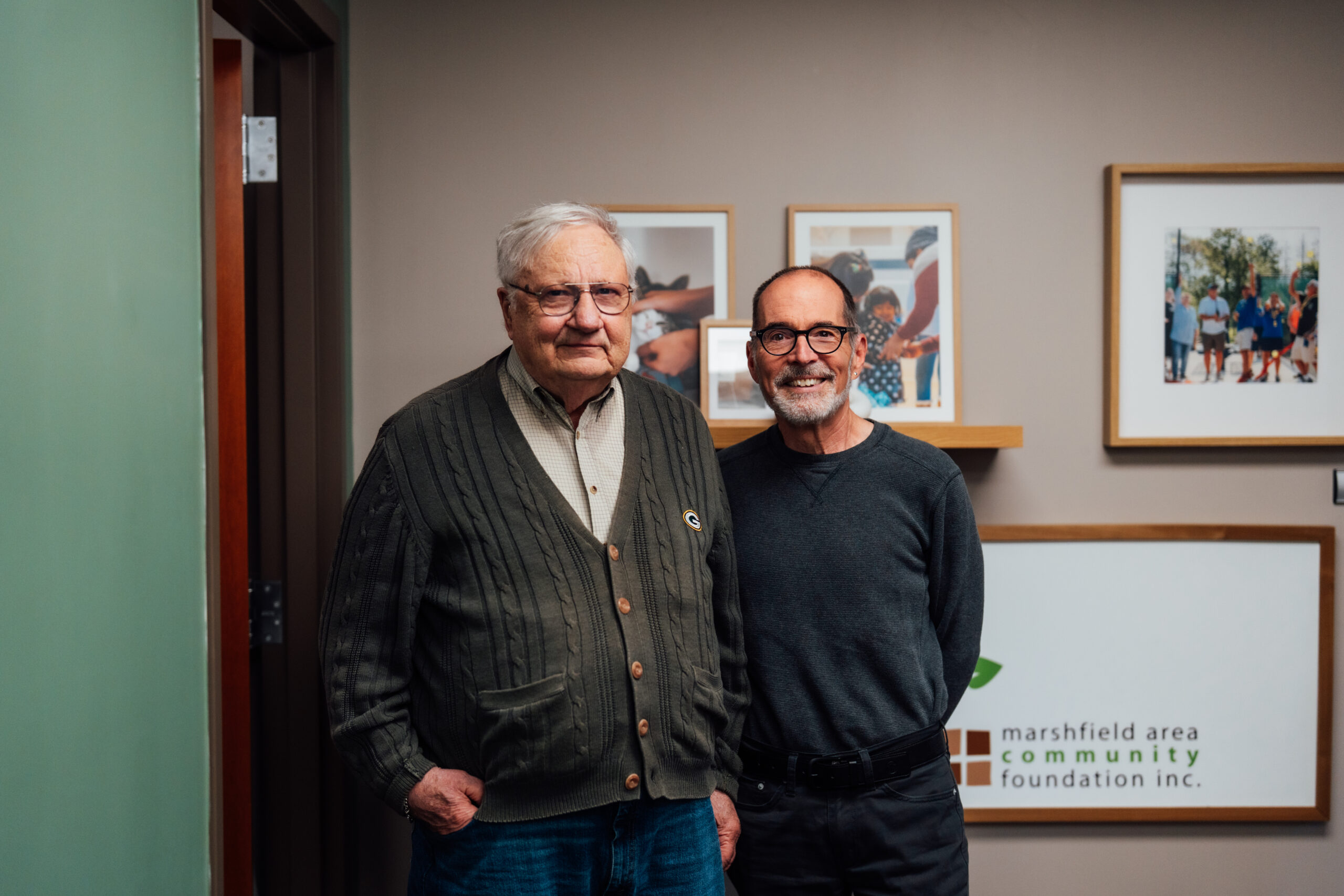
Bernie returned to Marshfield with every resource he could obtain and quickly shared them with his colleague and friend, now retired Child and Adolescent Psychologist Mike Schulein, asking a pivotal question: “What do you think we could do with this?” After reading the materials Bernie shared, Mike added a simple screening about fire setting to his next round of intake evaluations and was stunned by how many families were identified as at risk.
Immediate, Direct Impact
With that small change, Mike could now, when needed, send parents home with practical steps to secure matches and lighters, talk with their child, and connect with the fire department for education and support. That experience “instantly had him hooked,” and it cemented a new, cross disciplinary approach: firefighters and behavioral health working side by side for prevention, not just response. After seeing how often the new screening question identified risk, Mike brought his findings back to Bernie.
Together, they began shaping a more formal structure. Bernie, already a member of The International Association of Arson Investigators (IAAI) Wisconsin Chapter 25, joined the newly established Association’s JFS committee and became a working member, instructor, and advocate for Central Wisconsin juvenile firesetter programs. Marshfield’s team was eventually designed with multiple “risk categories” and four basic outcome paths – from education with a firefighter mentor to referral for professional mental health care or Wood County Social Services when needed.
Building Marshfield’s Juvenile Fire Safety Program
At the local level, Marshfield Fire & Rescue’s Juvenile Fire Safety Program (JFS) grew into a strong team that met regularly to review cases, share assessments, and match each child with the right level of support. Firefighters served as “counselor friends” for many youth, while Mike and other behavioral health partners advised when a situation required formal treatment.
Bernie and Mike were soon asked to teach their model at state conferences, both through the arson association and juvenile fire safety–specific training. One conference even opened with the pair giving a tongue in cheek “two sentence presentation” on how well the Marshfield system worked before launching into their real session – a glimpse of the humor and humility they carried into serious work.
After some quieter years in the program’s life cycle, new champions within Marshfield Fire & Rescue, including the current chief and dedicated line staff, have renewed efforts to identify at-risk youth and maintain a six member counselor team. For Bernie and Mike, seeing the program described in such detail on the Marshfield Fire & Rescue Youth Fire Safety webpage, complete with risk categories and contact information, is proof that the foundation they laid is still being carried forward.
Early Intervention Matters
Bernie often cites a sobering pattern that national fire data has shown for decades: about half of all fires are accidental, half are intentional, and roughly half of those intentionally set fires involve juveniles meaning about one in four set fires can be traced back to a young person. When he reviewed six years of Marshfield’s own fire reports, he found the same pattern right here at home. By weaving together fire service, behavioral health, juvenile justice, and community agencies, such programs can reduce juvenile involvement in firesetting and arson while protecting lives and property.
A Fund Born From a “Cuddle Coupe”
The endowment fund that now supports Marshfield’s Juvenile Fire Safety Program has a deeply personal origin story. For 15 years, Bernie and his wife, Marcie, treasured their Model T Ford coupe, affectionately nicknamed the “Cuddle Coupe.” When Marcie’s advancing Alzheimer’s meant they could no longer use the car, and their children didn’t wish to keep it, the couple decided that its value should someday help the fire service they loved.
Working with early leaders of the Marshfield Area Community Foundation, they arranged for the Model T to be sold, with the proceeds establishing what is now a designated fund for Juvenile Fire Safety at the Marshfield Fire & Rescue Department.
Training Firefighter‑Counselors
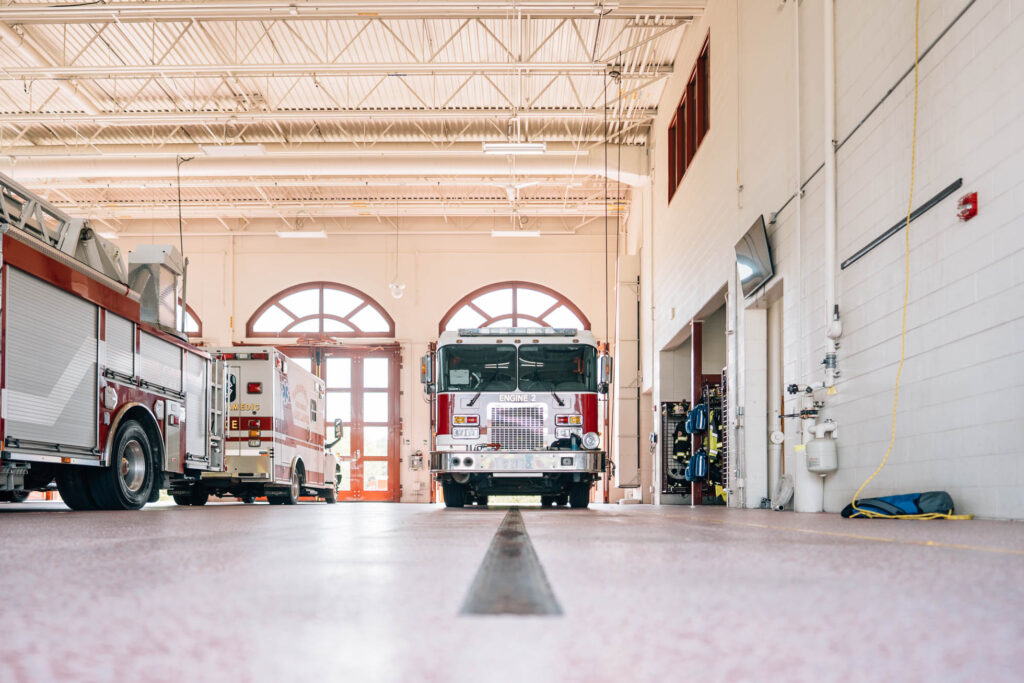
Today, the designated fund at the Marshfield Area Community Foundation helps pay the annual registration fees needed for Marshfield Fire & Rescue firefighter counselors to attend state level juvenile fire safety training. Those sessions keep local staff current with best practices in assessment, risk categorization, and family education, building on models developed by national experts.

Built to Last
This fund is a vivid example of what thoughtful, homegrown generosity can do. Shaped by Bernie and Marcie’s love, Mike’s expertise, and the endowment capability of Marshfield Area Community Foundation, this fund turns one family’s story into ongoing action, ensuring that local firefighters, counselors, and families have the support they need to keep children and communities safer.
Get Involved:
To learn more about the Marshfield Fire & Rescue Juvenile Fire Safety Program, click here.