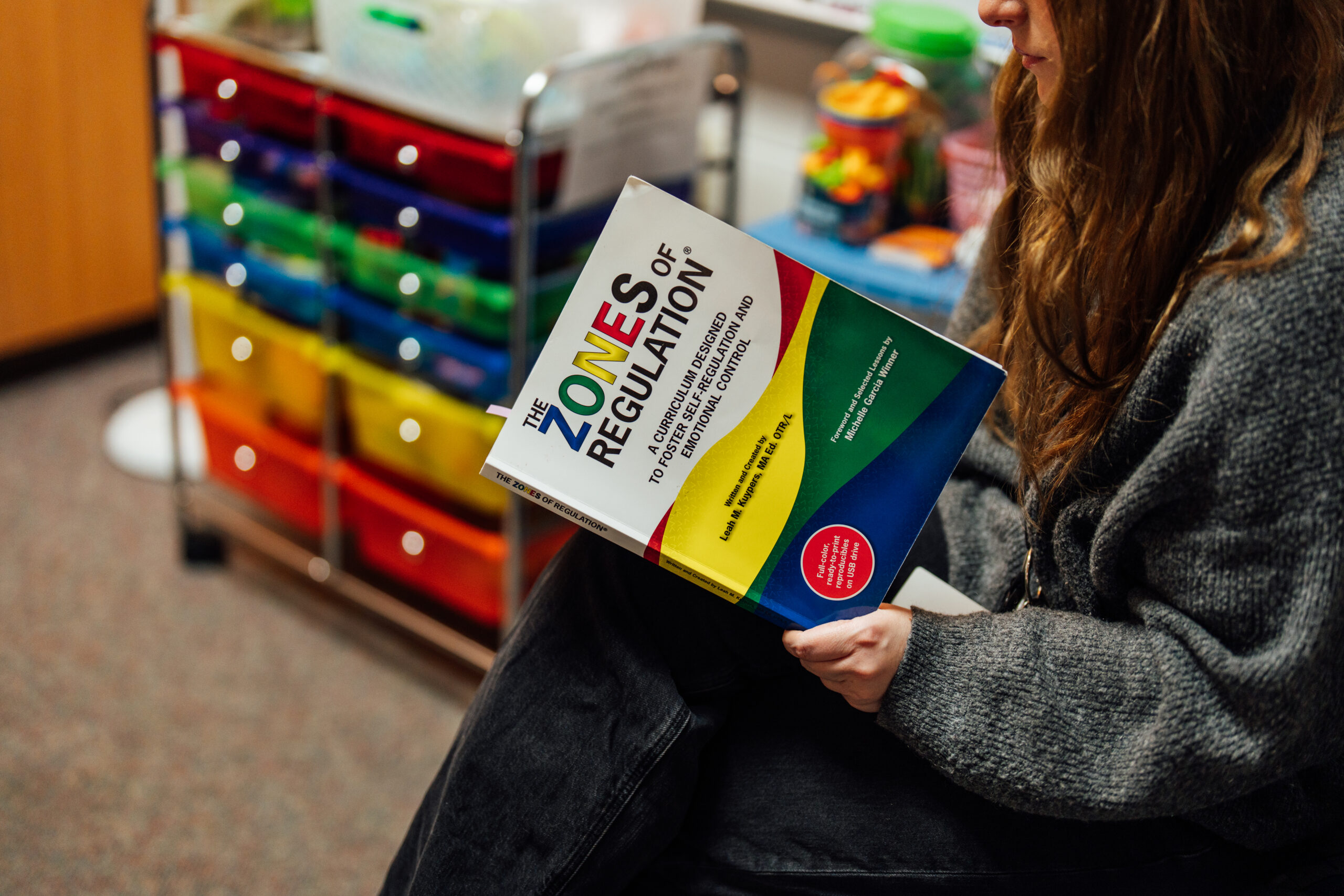
Built from the ground up by caring educators and community partners, the School Based Mental Health Consortium is reshaping how mental health support reaches students in Marshfield.
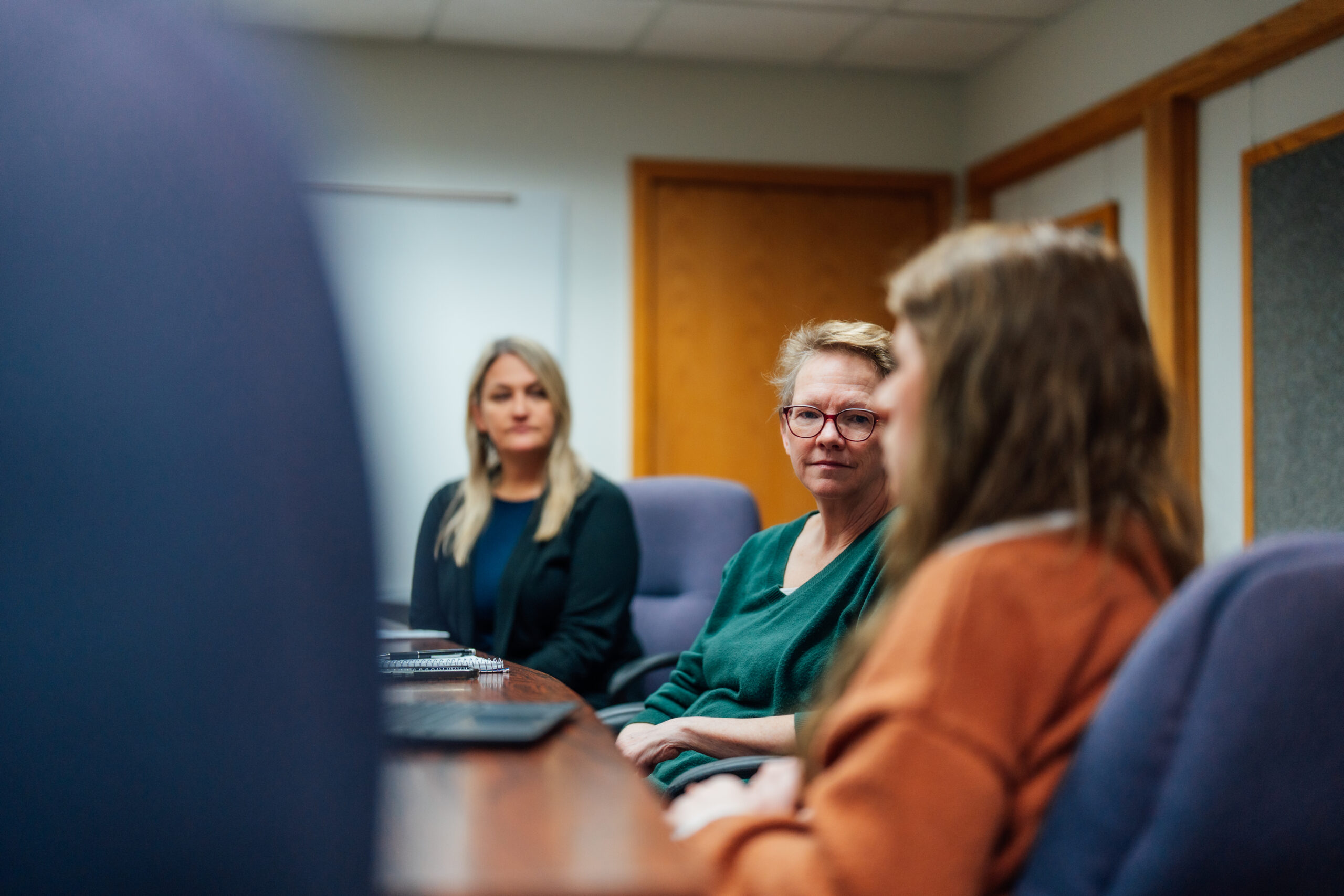
We recently sat down with Tracey Kelz, Director of Student Services, Kali Oettinger, District Mental Health Navigator, and former District Mental Health Navigator Joanne Greenlee to talk about the history of this fund, its current impact and hopes moving forward.

Consortium Beginnings
The School Based Mental Health Consortium in Marshfield grew out of a shared concern: too many students who needed mental health care were facing long waitlists, cost barriers, and transportation challenges. In May 2018, local school leaders attended a presentation by the Marathon County Mental Health Consortium and returned inspired. The Marshfield School Based Mental Health Consortium had begun.
Initially, the vision for reach was a broader Wood County effort, but limited provider capacity led the team to start by focusing on Marshfield schools. Unlike some models where therapy agencies “run” the school-based program, Marshfield’s consortium is coordinated by the school district, which then brings partner therapists into the schools. In 2018, a $10,000 Healthier Wisconsin Partnership Grant funded a facilitator to help design the system, anticipate roadblocks, and engage local mental health agencies. By the 2019–2020 school year, the consortium launched in the district, supported by a two-year state grant that helped create a dedicated mental health coordinator role.

A Fund for the Consortium
From the beginning, the purpose of the consortium was clear: partner with community mental health providers to offer therapy in schools and reduce barriers to care—especially financial barriers. To address these financial barriers, the district worked with the Marshfield Area Community Foundation to establish a fund, with the Foundation serving as fiscal agent. This structure was chosen in part to keep the door open for future regional growth, but it also gave the fund a community-based home. Over time, the fund has been supported primarily by Marshfield Area United Way, along with additional grants, occasional special project funding, student-led t‑shirt campaigns promoting kindness and mental health, and private donations.

Impact Today
Today, the School Based Mental Health Consortium Fund is carefully targeted to open doors for students who might otherwise remain without help. The fund is used in four main ways: sponsorships for licensed therapy services, psychoeducational groups, interpretation, and limited situations, other unmet needs directly tied to mental health access.
- Application: Families who are struggling with costs—because of high deductibles, lack of insurance, or significant financial hardship—can apply for sponsorship with the help of a school counselor or student services team member. Applications identify the family’s situation, with consideration factors like free/reduced lunch needs, homelessness, medical situations, or debt burdens.
- Committee Review: A small sponsorship committee, made up of school staff and community members, reviews redacted applications
- Mental Health Care: The committee aims to help as many families as possible, often by covering therapy payment on what remains after insurance or by temporarily bridging gaps while families apply for programs like BadgerCare. Funds are paid directly to agencies, keeping the process simple and focused on care.
Additionally, psychoeducational groups, —often run at the alternative school, —offer skill building for students who may not be ready for one-on-one therapy or who need additional tools alongside intensive trauma work. Topics include identifying and managing feelings, building resilience, setting goals, strengthening relationships, and learning healthier ways to handle stress and conflict. These groups are often more approachable for families and allow more students to benefit at once.
The fund also supports interpreter services, which has been especially valuable for Spanish‑speaking students and families. Rather than relying on inconsistent language lines, interpreters who can be physically present and build trust with the student make therapy more effective, comfortable, and culturally responsive.
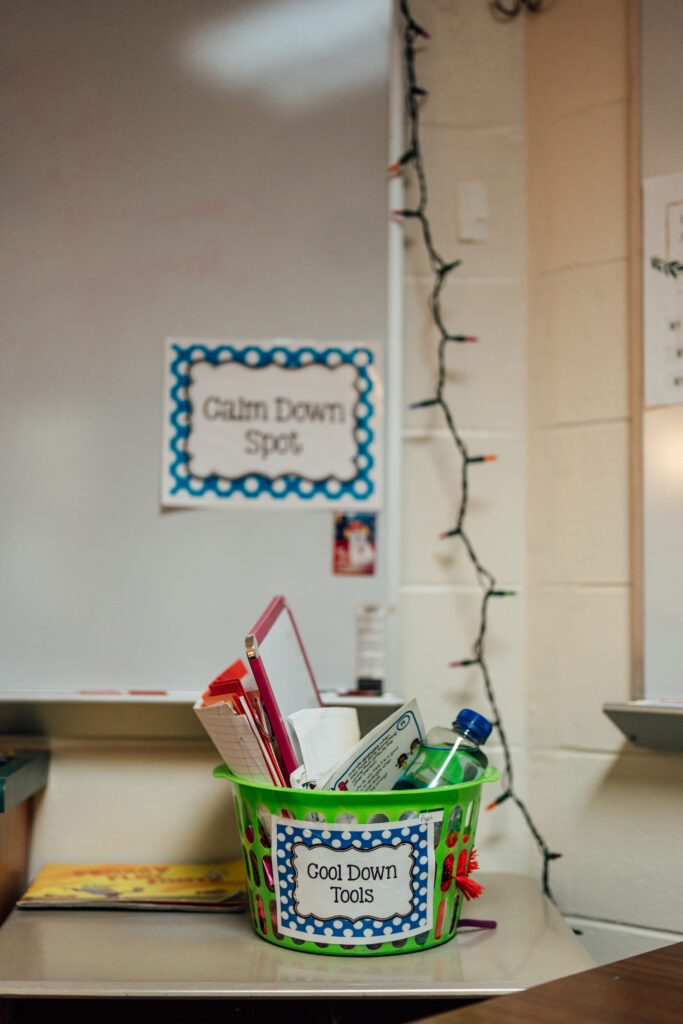

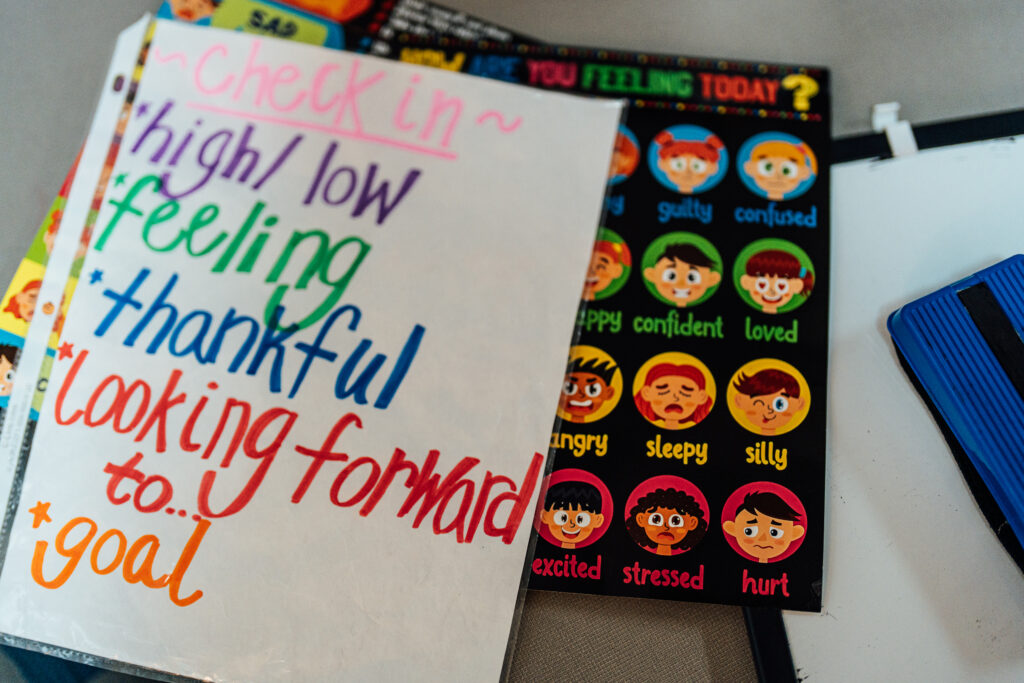
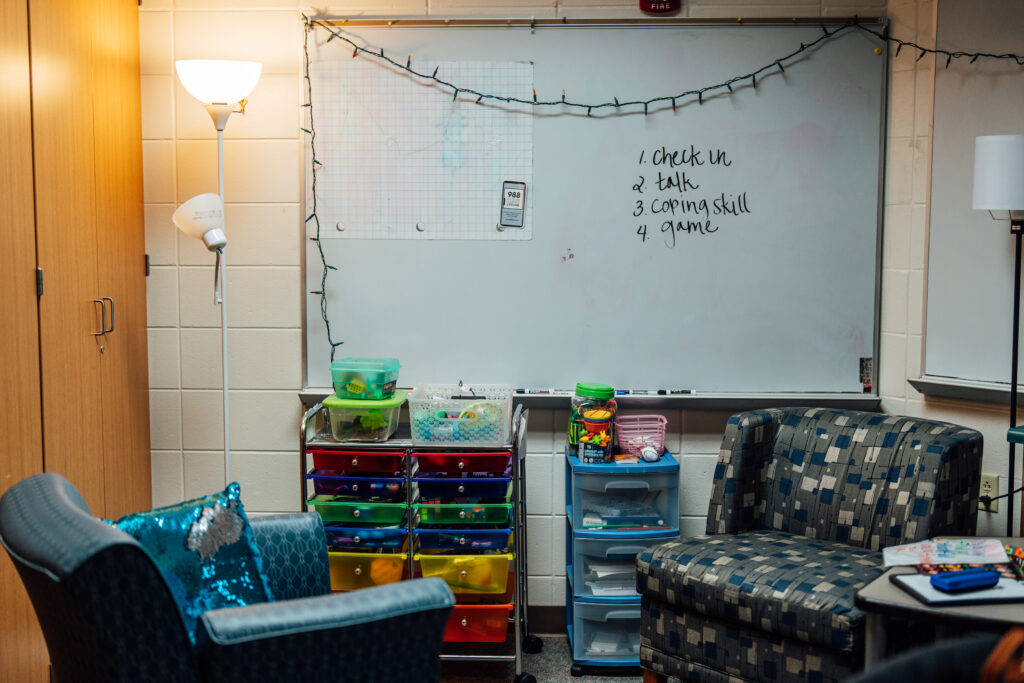
While there’s still work to do—especially in increasing the number of therapists in our region and meeting growing needs—the fund has already reshaped how wellness looks and feels through access to care for students in Marshfield. Many partners leaned in on behalf of area youth, and thanks to their dedication, school staff and community agencies are leveraging resources to meet a desperate need – improving the lives of area youth through mental health.
Get Involved:
To make a contribution to this fund, click here.